
Car and Motorbike Pressure Washing with Detox Forum
Pressure washing has become one of the most efficient and popular methods for cleaning cars and motorbikes with Detox Forum. It helps in maintaining the vehicle’s appearance and longevity by removing dirt, grime, road salts, and other contaminants that accumulate over time. Whether you’re a car owner or a motorbike enthusiast, pressure washing offers a quick and effective solution to keep your vehicle looking brand new. However, like all cleaning techniques, it comes with its own set of dos and don’ts.
In this article, we’ll explore why pressure washing is beneficial for your vehicle, how to do it properly, and the best practices to ensure you’re not damaging your precious ride.
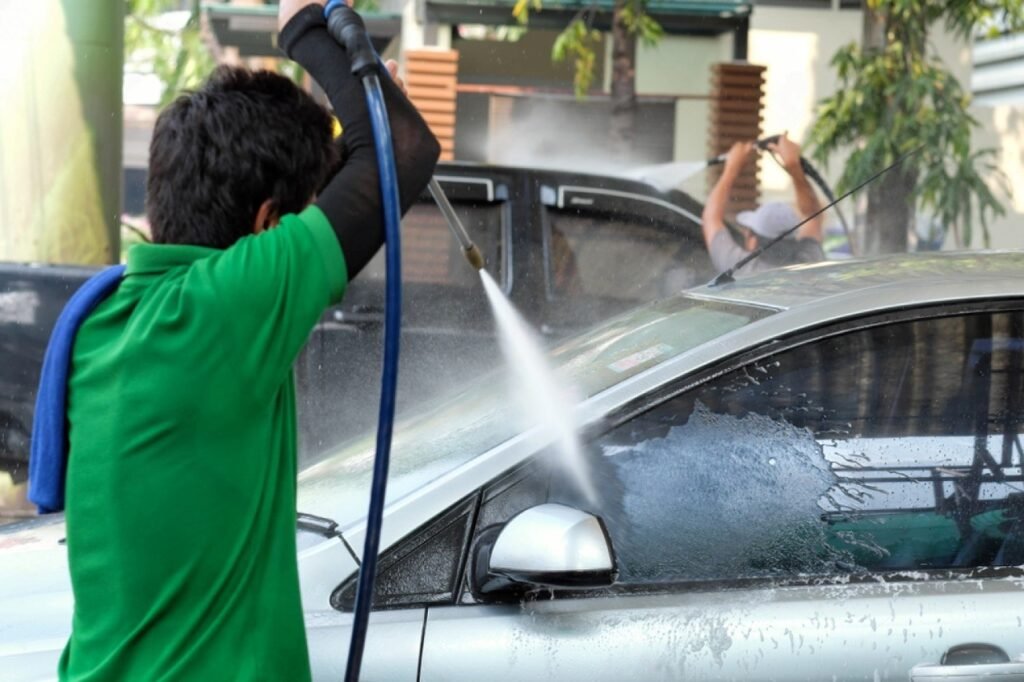
Why Pressure Washing for Cars and Motorbikes?
Pressure washing, also known as power washing, uses high-pressure water to remove dirt and stains from surfaces. For vehicles, it provides several key benefits:
1. Effective Dirt Removal
Cars: Cars accumulate a lot of dirt, especially in areas where you have rough weather conditions, construction zones, or muddy roads. Pressure washing ensures that even the toughest dirt, bird droppings, tar, or brake dust is removed.
Motorbikes: Motorbikes, being smaller and lower to the ground, are more prone to accumulating dirt and road debris. Pressure washing ensures that the tires, chains, and exhausts are cleaned thoroughly, helping with both the appearance and functionality of the bike.
2. Saves Time
Cleaning a car or a motorbike by hand can take a long time, especially if it’s covered in tough grime. A pressure washer significantly speeds up the process by quickly washing off large areas without requiring much physical effort.
3. Extends Vehicle Life
Over time, grime, salt, and road debris can cause corrosion and rust, especially if left unchecked. Regular pressure washing removes these contaminants and helps preserve the vehicle’s paintwork, chassis, and other vital components.
4. Improved Safety
Regular cleaning ensures that your vehicle’s lights, mirrors, and windows are clear, improving visibility and safety. For motorcycles, this is crucial for safe riding as dirt can obscure vision and affect performance.
How to Pressure Wash Your Car or Motorbike
Before diving into pressure washing, it’s important to have the right tools and knowledge to avoid causing any damage. Here’s a step-by-step guide:
1. Choose the Right Pressure Washer
For cars, a pressure washer with a PSI (pounds per square inch) range of 1,300 to 1,500 PSI is ideal. Anything higher might damage the paint or delicate components.
For motorbikes, a lower PSI range (around 1,000 to 1,300 PSI) is recommended. Since motorbikes have more sensitive components, using a lower pressure ensures the bike is cleaned effectively without risk.
2. Use the Correct Attachments
Most pressure washers come with various nozzles. Use a wide-angle nozzle (typically 25° or 40°) for car washing. A narrower nozzle can be too harsh and may cause damage to paintwork.
For motorbikes, use an even gentler nozzle. It’s advisable to use a fan-shaped nozzle to spread the pressure evenly over surfaces, avoiding concentrated high-pressure streams.
3. Rinse First
Start by rinsing the vehicle to remove loose dirt and debris. This step helps to prevent scratching the surface during the main wash. For motorcycles, take extra care to avoid spraying directly onto sensitive parts like the chain or electrical components.
4. Apply Detergent (Optional)
If you have a detergent attachment, you can apply a specialized vehicle wash detergent. For cars, a good vehicle-specific detergent is highly recommended as it is designed to work with your car’s paint.
For bikes, use a mild cleaner designed for motorcycles. Always ensure that the detergent is compatible with your vehicle’s finish and materials.
5. Start from Top to Bottom
Begin washing the top section of the vehicle, working your way down. This ensures that the dirt and debris do not resettle on the parts that are already cleaned. Start with the roof or top of the car and work your way to the lower parts of the body and tires.
For motorbikes, pay special attention to parts like the suspension, exhaust, and wheels. Avoid spraying directly into sensitive areas like the brake calipers or chain, as this could cause rusting.
6. Dry Your Vehicle
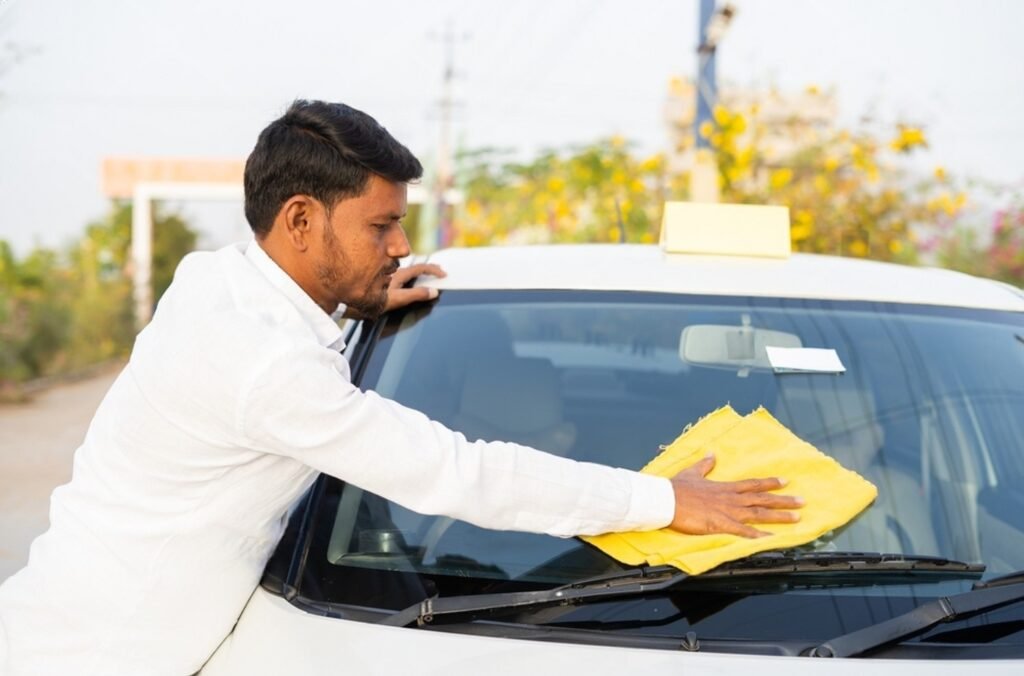
After pressure washing, dry the car or motorbike with a clean microfiber towel to remove any remaining water spots.
You can also use an air blower (used for drying) to ensure no water remains in sensitive areas, especially in motorbike engines.
Best Practices for Pressure Washing Cars and Motorbikes
While pressure washing is effective, there are a few things to keep in mind to avoid damage:
1. Avoid High Pressure on Sensitive Areas
Cars: Be cautious when cleaning the car’s paint, windows, and decals. Too much pressure on the paint can cause it to chip, especially if the nozzle is too close.
Motorbikes: Avoid spraying directly at electrical parts, the chain, and exhaust. Excess pressure can force water into these areas, leading to potential rusting or performance issues.
2. Maintain the Correct Distance
Always keep the nozzle at a safe distance (around 2 to 3 feet) from the vehicle. Standing too close with high pressure could damage the paintwork or push dirt into crevices, which could be more difficult to clean.
3. Regularly Clean the Pressure Washer Nozzle
Dirt and grime can clog the nozzle, reducing the effectiveness of the pressure washer. Regularly inspect and clean the nozzle to ensure smooth operation.
4. Check for Vehicle Vulnerabilities
Make sure the vehicle is in a stable position before starting. For motorbikes, make sure the kickstand is secure or the bike is on a stable platform, so it doesn’t tip over during the wash.
5. Drying After Pressure Washing
Water spots can form on the surface if you don’t dry your car or bike properly. Using a microfiber towel or a car dryer helps to remove these spots and maintain a shiny finish.
Safety Considerations
Pressure washers can be dangerous if not handled properly, especially with the high pressures involved:
Protective Gear: Always wear gloves, safety goggles, and non-slip shoes to protect yourself from any water splashes, debris, or chemicals used during the wash.
Avoid Electrical Components: Be cautious when washing motorbikes around electrical components. Direct high-pressure water can damage wiring or seals, leading to malfunction.
Don’t Pressure Wash Windows or Mirrors Too Close: Although pressure washing is effective for cleaning the exterior, applying pressure too close to windows or mirrors may cause cracks or damage to the seals.
Conclusion
Pressure washing is a powerful tool for cleaning cars and motorbikes, making the process faster, easier, and more efficient. It helps maintain your vehicle’s appearance, removes contaminants, and can even extend its life. However, it’s crucial to use the right equipment, keep the pressure at a safe level, and avoid sensitive areas to ensure the cleaning process doesn’t cause any harm to your ride.
By following the steps outlined above, you can safely pressure wash your car or motorbike, keeping it in top condition while preserving its value and aesthetics.