
As climate change continues to escalate, the focus on reducing carbon emissions has never been more urgent. A significant source of greenhouse gases and air pollutants are the engines that power vehicles, industries, and ships worldwide. With India grappling with severe air pollution and its related health risks, engine decarbonization has become an essential solution to reduce harmful emissions, improve air quality, and transition towards a more sustainable future.
At DetoxForum.in, we aim to highlight the transformative potential of decarbonizing engines—not just for the environment but for public health as well.
What Exactly is Engine Decarbonization?
Engine decarbonization involves reducing or completely eliminating carbon emissions generated by internal combustion engines (ICE), which typically burn fossil fuels like petrol, diesel, and natural gas. This process aims to transition toward cleaner, more efficient engines by adopting alternative fuels, electric motors, and other cutting-edge technologies.
Decarbonization doesn’t just focus on reducing carbon dioxide (CO2); it also involves eliminating harmful pollutants such as nitrogen oxides (NOx), particulate matter (PM), and volatile organic compounds (VOCs) that contribute to poor air quality and a range of health issues.
Why Engine Decarbonization Is Vital for India
India is one of the most polluted countries globally, with major cities like Delhi, Mumbai, and Bengaluru experiencing hazardous air quality levels. According to the World Health Organization (WHO), air pollution contributes to millions of premature deaths in the country every year. The primary culprit? Emissions from vehicles and industries powered by internal combustion engines.
The shift towards decarbonizing engines is vital for reducing not only CO2 emissions but also other toxic pollutants like NOx and particulate matter, which have direct consequences on public health. By embracing cleaner technologies, India can combat air pollution, improve quality of life, and contribute to global climate goals.

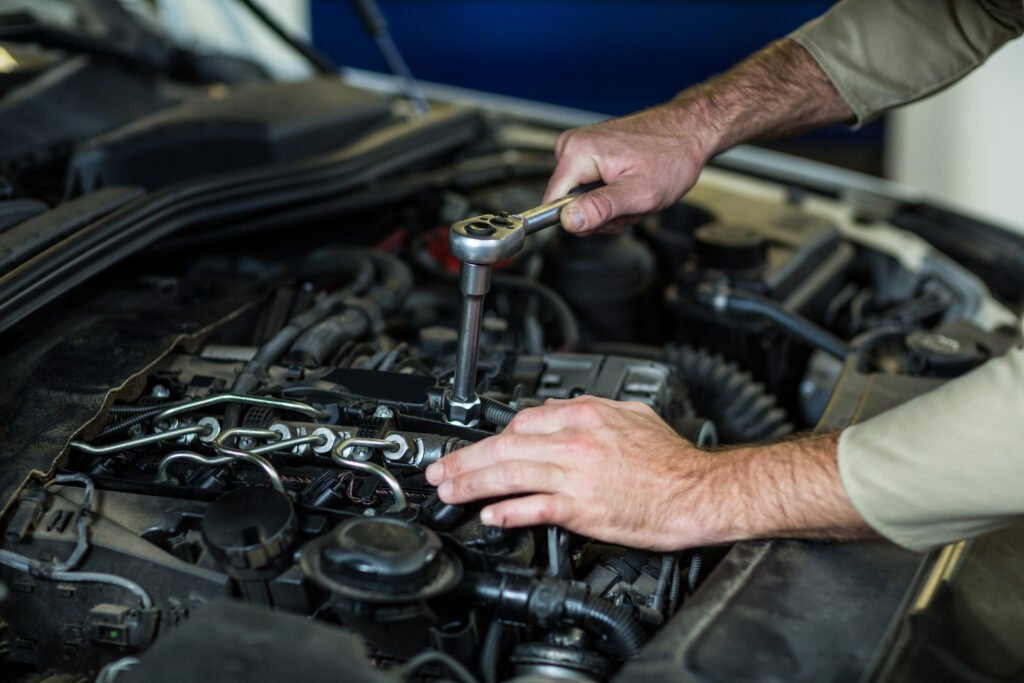
Pathways to Engine Decarbonization: How Can We Achieve Cleaner Engines?
There are several innovative strategies and technologies that can significantly reduce the carbon footprint of engines across various sectors. These solutions are crucial for improving air quality, lowering emissions, and creating a more sustainable transportation and industrial system.
1. Electric Vehicles (EVs): Leading the Charge
One of the most effective and well-known methods for decarbonizing engines is shifting from traditional internal combustion engines to electric motors. Electric vehicles (EVs) are gaining momentum worldwide due to their zero tailpipe emissions. This shift is especially important in urban areas, where air pollution levels often reach critical thresholds.
In India, the adoption of EVs is gaining traction, thanks to government incentives like the Faster Adoption and Manufacturing of Hybrid and Electric Vehicles (FAME) scheme. While challenges like charging infrastructure remain, a growing number of electric cars, buses, and two-wheelers are entering the market. As EV adoption grows, so too will the country’s potential to improve air quality and reduce fossil fuel dependence.
2. Hydrogen Fuel Cells: A Clean Alternative for Heavy-Duty Transport
For sectors where electrification may not be practical, such as freight trucks and buses, hydrogen fuel cells offer a viable decarbonization solution. Hydrogen fuel cells produce electricity by combining hydrogen with oxygen, with water vapor as the only byproduct. This process emits no CO2, making it an attractive solution for decarbonizing transport.
Though the technology is still emerging, India has already begun testing hydrogen-powered vehicles, including buses. If hydrogen infrastructure continues to expand, hydrogen could become a key player in decarbonizing heavy-duty transport, particularly for long-distance travel and industrial applications.
3. Biofuels and E-Fuels: Reducing Emissions in Existing Engines
While the future of transport may lie in electric and hydrogen vehicles, many existing internal combustion engines will continue to operate for the foreseeable future. Here, biofuels and synthetic (e-fuels) present practical solutions for reducing emissions without requiring significant modifications to existing infrastructure.
Biofuels, derived from organic sources such as plant material and waste, can be used in current engines with minimal adjustment. Similarly, e-fuels are synthetic fuels produced by using renewable energy to convert CO2 and hydrogen into liquid fuels that can power traditional engines. These solutions are already being explored in India for sectors such as aviation and shipping, where electrification is not yet feasible.
4. Enhancing Engine Efficiency: Advanced Technologies for Cleaner Combustion
For vehicles that still rely on fossil fuels, improving engine efficiency can make a significant difference. Advances in engine design, including turbocharging, hybrid powertrains, and optimized combustion processes, can reduce fuel consumption and lower emissions.
Technologies like turbochargers and variable valve timing can help engines burn fuel more efficiently, reducing fuel use and CO2 emissions. Additionally, lighter materials and aerodynamics can make vehicles more fuel-efficient, further reducing their carbon footprint.
5. Carbon Capture and Storage (CCS): An Additional Layer of Emission Control
Carbon capture and storage (CCS) is a developing technology that captures CO2 emissions directly from exhaust gases before they are released into the atmosphere. The captured CO2 can then be stored underground or used in industrial processes. While CCS is more common in large-scale industrial applications, it holds potential for decarbonizing engines if integrated into transport systems in the future.
Though still in the early stages of development for transport, CCS could play a crucial role in further reducing emissions from hard-to-decarbonize sectors like aviation and maritime transport.
Health Benefits of Engine Decarbonization
The health benefits of decarbonizing engines are substantial. Air pollution, particularly from diesel and petrol engines, contributes to a variety of respiratory diseases, cardiovascular conditions, and even premature death. Reducing engine emissions directly translates to better air quality, which means fewer hospital visits, fewer respiratory issues, and overall improved public health.
In a country like India, where millions of people are exposed to toxic air, the shift to cleaner engines will significantly lower the incidence of pollution-related diseases. By improving air quality, decarbonization can help alleviate the burden on India’s healthcare system and improve the quality of life for its citizens.
The Role of Policy and Infrastructure in Driving Change
For engine decarbonization to be successful, it is essential that supportive policies and infrastructure are developed. The Indian government has already launched several initiatives aimed at promoting clean transportation, such as the National Electric Mobility Mission Plan (NEMMP) and the FAME scheme. However, a more robust policy framework is needed to scale up these efforts.
Investing in the expansion of EV charging infrastructure, green hydrogen production, and biofuel production will be key to accelerating the adoption of decarbonized engines. Furthermore, stricter emission regulations and incentives for clean technologies will drive the market toward more sustainable solutions.
Conclusion: A Cleaner, Healthier Future
Engine decarbonization offers a win-win solution for both the environment and public health. By adopting cleaner technologies and transitioning to more sustainable fuels, India can significantly reduce its carbon footprint, improve air quality, and mitigate the health risks associated with pollution.
At DetoxForum.in, we believe that a cleaner and healthier future is within reach. The journey toward decarbonizing engines will require collaboration between governments, industries, and citizens, but the benefits—cleaner air, better health, and a sustainable future—are well worth the effort.
Together, we can drive the change toward a greener, healthier India.